

Bruno Lasnier is a photographer whose creative practice treats landscape, territory, and the natural world as vehicles for a sensitive reflection on our relationship with the world. For over twenty-five years, he has developed a personal body of work rooted in a slow, unhurried pace, contemplation, and a photographic style of great restraint.
His series explore landscapes of the Far North, maritime, industrial and forest environments, as well as themes such as travel, the world of bullfighters, and the animal kingdom.
Bruno Lasnier favors an approach that transcends mere documentary record-keeping; his images seek not so much to describe a place as to reveal its presence, its light, and its inner dimension.
Eschewing the spectacular, he creates a body of work in which silence becomes a photographic language and every image invites the viewer to slow their gaze.
His work has been featured in several publications, including « Vámonos! Sur le chemin du Rocío », « A des lieux d’Ici’, « Les Icebergs sont encore libres d’ouvrir les yeux », « Terres Atlantiques », « Un voyage fantôme », and « En un silence douloureux ».
Her photographs are regularly exhibited and held in private and institutional collections, reflecting a rigorous artistic approach that brings together the exploration of territory, the human element, the memory of landscapes, and an awareness of their fragility.
He lives in the Gironde (France). Below is a selection of his work… Click on the images to view the associated galleries.

« Icebergs Are Still Free to Open Their Eyes » is a photographic and poetic journey by Bruno Lasnier through the heart of the frozen Ilulissat Fjord in Greenland. The images originate from within a boat, where the windows serve as frames-within-frames, establishing a subtle distance between the gaze and the landscape rather than merely providing a vantage point.
This mediation transforms the act of photography into a contemplative experience. The viewer does not enter the landscape but approaches it with restraint – much like approaching a mystery – within this solid-yet-liquid no-man’s-land between sea and ice: a realm that is neither sea nor river, neither fresh water nor salt water.
Here, icebergs appear less as geographical objects and more as monumental, silent presences. Their time-sculpted masses emerge in a subtle light where blues, grays, and pinkish hues seem to suspend the very notion of time. Each mysterious mass seems to evoke oracular figures or ghosts from the past. Each image isolates a fragment of reality while hinting at an immense space beyond the frame, reinforcing the sense of an elusive nature.
We observe these ice monsters from the safety of a shelter (the boat), a perspective that underscores human powerlessness in the face of nature. The photographs engage in a dialogue much like the ice blocks they depict: autonomous, yet bound together by a shared drift.
The title – Icebergs Are Still Free to Open Their Eyes – acts as an invitation to shift our gaze. It suggests a reciprocity between humanity and the landscape: it is no longer merely travelers observing icebergs, but icebergs that seem to cast an attentive, silent, and timeless presence upon the world.
This reversal of the gaze lends the work an almost metaphysical dimension.
Far from a documentary approach, Bruno Lasnier here favors a photography of sensation. The framing, the rhythm of the images, and the delicacy of the colors invite an experience of slowness, where contemplation takes precedence over information.
The beauty of the landscapes remains fragile, bound to the precariousness of these glacial forms in a world marked by climate change. Bruno Lasnier’s photographs remind us that certain landscapes reveal themselves only to those willing to slow down, to look long and hard, and to let the visible open up a space for the imagination.
Series published in 2018 by Atelier des Brisants: ‘Les icebergs sont encore libres d’ouvrir les yeux‘.
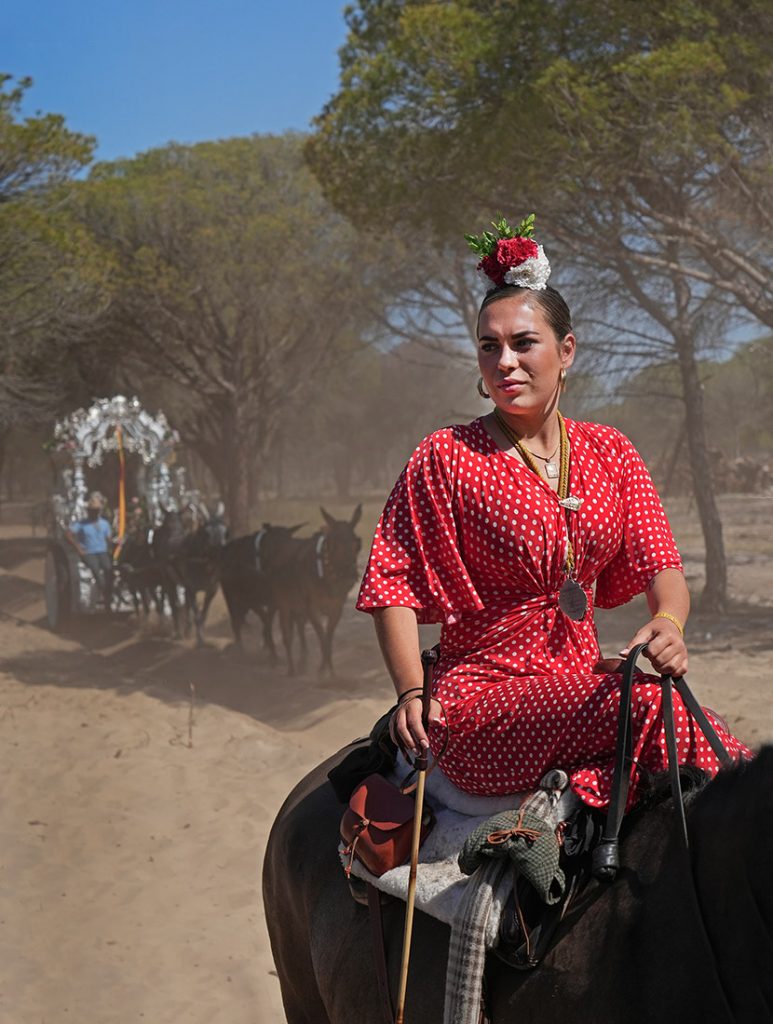
A photographic project that captures Spain’s most significant pilgrimage – which draws hundreds of thousands of pilgrims to the village of El Rocío every year at Pentecost – from the inside.
It is an incredible, unforgettable immersive experience at the heart of an Andalusian community rich in color and intense emotion. The approach is deeply humanistic and immersive; rather than seeking the spectacular, the photographer focuses on the authenticity of gestures, faces, and shared moments.
His images reveal the strength of the bonds between pilgrims, the rugged landscapes of Doñana Park, and the popular fervor that drives this centuries-old tradition. Shot in close proximity to the participants, the photographs reflect a deep connection with the men and women he accompanies, offering a glimpse of an intimate Spain where spirituality, culture, and solidarity blend naturally.
Bruno Lasnier transforms this journey into a deeply moving experience, inviting the reader to share in the emotion and intensity of a path that is as much an inner journey as a physical one.
Series published in 2024 by Atelier des Brisants in the book: ‘Vamonos! Sur le chemin du Rocío‘.

Atlantic Lands. A multi-year photographic journey comprising black-and-white panoramic images of the Atlantic arc, revealing Europe’s maritime dimension.
Iceland, Scotland, Ireland, Brittany, the Basque Country, Galicia, Madeira, and the Azores.
It is a contemplative approach in which the landscape serves as the unifying thread for a reflection on the identity of European territories bordering the ocean. Far from a mere geographical inventory, Bruno Lasnier creates a body of work where the horizon, light, mineral textures, and natural elements converse to evoke a shared Atlantic memory.
His precise, minimalist eye highlights the diversity of the landscapes while revealing their profound unity. Through the restraint of black and white and the power of panoramic composition, he invites the viewer into a meditative experience where sea, land, and sky form a timeless visual heritage, bearing witness to the richness and fragility of the European coastline.
A book was published in 2009 by Bord de l’Eau editor, with the support of the Aquitaine Regional Council.
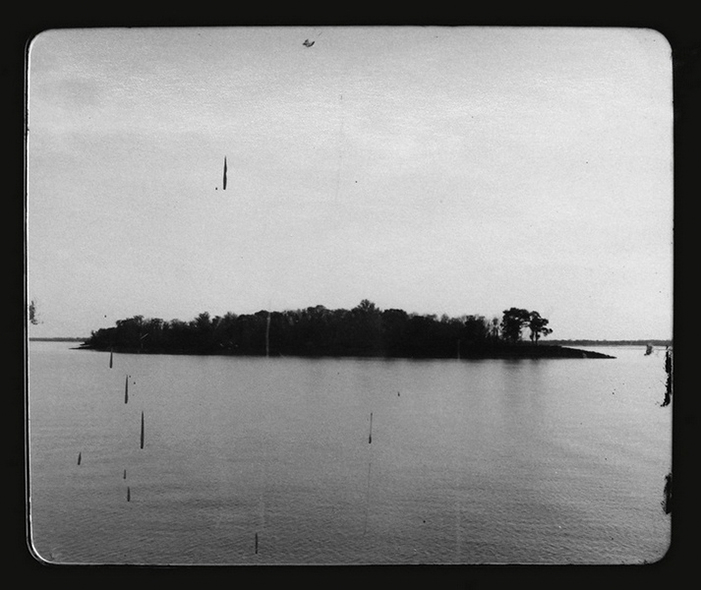
The images were all captured through the windows of a ferry crossing the Gironde estuary.
These black-and-white photographs go beyond a mere depiction of the ferry connecting the estuary’s two banks, transforming it into a symbol of passage – between landscapes, memories, and people. The photographer’s gaze lingers on shifting light, mists, water reflections, and the silhouettes of travelers, creating a suspended atmosphere where time seems to slow down.
The compositions, understated and rigorous, reveal the silent power of the estuary and the intimate relationship between the river, the sky, and those who cross them.
Bruno Lasnier’s images invite the viewer on a sensitive journey where reality blends with the imagination, turning a daily commute into a contemplative, almost timeless experience. It is a form of humanist photography, attentive to landscapes, their history, and the quiet poetry of ordinary places.
A book – ‘A phantom journey : a ferry on the Gironde estuary’ – was published by Le Festin editor in 1997. It features a beautiful text by Pierre Veilletet.

My Lofoten – Inhabiting Silence. Bruno Lasnier constructs a personal vision of the Nordic landscape of the Lofoten Islands in Norway, where natural elements engage in a dialogue with the subtle traces of human presence.
He prioritizes presence over event, and experience over description. His images alternate between stillness and motion, intimacy and vastness, human presence and the autonomy of the natural world.
This photographic series invites us to slow down our gaze. Through these fragments of a unique territory, the photographer explores not so much the geography of a place as the possibility of an encounter—an encounter between a person and a landscape, and between the viewer and their own inner sensibility.
My Lofoten asks us to do more than simply look at these Norwegian islands; it invites us to reflect on our own way of being in the world: how to find one’s place within a landscape that transcends us, how to inhabit it without reducing it to a mere backdrop, and how to learn to observe that which remains silent.

With Disko Bay, Bruno Lasnier continues his photographic exploration of maritime territories and landscapes where humanity seems to fade before the power of the elements.
Disko Bay, in Greenland, is an iconic Arctic location where people inhabit a landscape in constant flux. Here, Bruno Lasnier aligns himself with a landscape photography tradition that prioritizes sensory experience over overt demonstration.
His work seeks neither exoticism nor a blunt ecological statement, even though the fragility of these environments is ever-present. Climate change is an underlying presence, felt rather than explicitly depicted.
It is precisely this sense of distance that gives the images their evocative power: they invite meditation on permanence and disappearance, and on the interplay between geological time and human time.
In Disko Bay, the landscape becomes an interior space. Open horizons, minimalist lines, and vast expanses of water and ice offer a contemplative experience that invites the viewer to slow their gaze. The photography no longer merely depicts a territory; it reveals its essence in a quest for simplicity, reminding us that landscape is, above all, an experience of perception.
Through Disko Bay, he does not simply photograph the Arctic; he explores the Earth’s memory, the fragility of life, and the silent beauty of landscapes undergoing transformation. Raw, wild nature reigns supreme—seemingly untamable—while humanity is restored to its true scale.
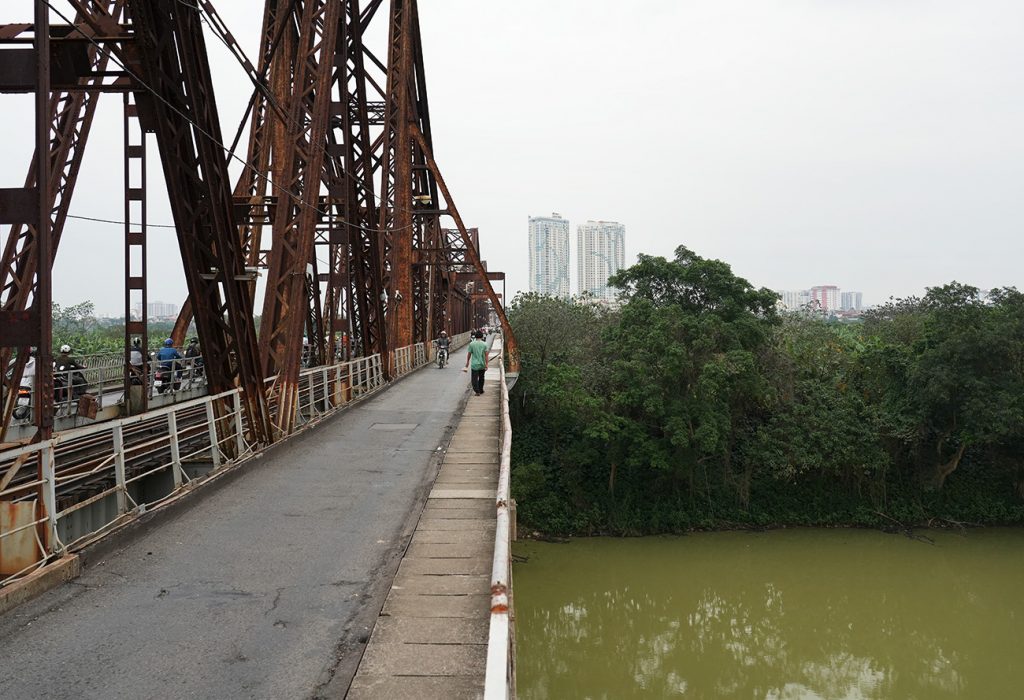
Bruno Lasnier traveled to Vietnam in March 2026 to participate in the major group exhibition marking the first France-Vietnam artistic exchange—organized by the PAEC association—at the Ho Chi Minh City Museum of Fine Arts.
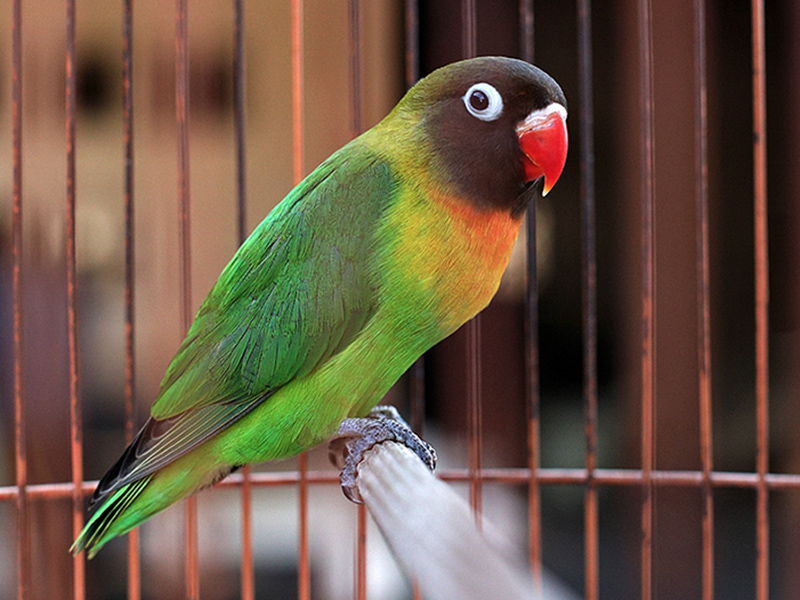
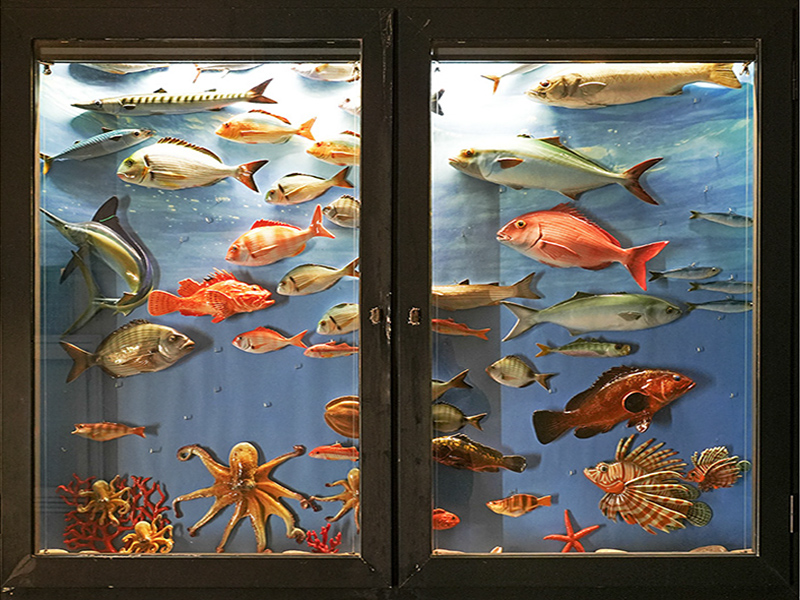
Worlds Away: from the ends of the earth, with you. Neither truly far off, nor close at hand. Travel as a photographic quest.
A book titled : ‘A des lieux d’ici‘ (“Worlds Away”) was published in 2023 by Éditions l’Atelier des Brisants, featuring a selection of images captured between 1989 and 2023.

Wood Industry: The Test of the Gaze explores the industrial world through an approach where aesthetics engage in a dialogue with documentary photography.
Moving beyond a strictly technical view of production sites, the photographer focuses on the workers’ movements, the materials, the machinery, and the interplay of light that shapes this environment.
His perspective highlights the human dimension of the work while revealing the graphic power of industrial structures and the nobility of wood undergoing transformation.
Precise framing, masterful use of contrast, and meticulous attention to detail transform the factory into a space of visual creation where strength, craftsmanship, and the memory of trades converge.
Through this series, Bruno Lasnier invites the viewer to look beyond appearances and discover the understated beauty of a frequently overlooked world, asserting a sensitive photographic style that questions both the act of seeing and the relationship between humanity, material, and industry.
A book was published by editor : l’Atelier des Brisants in 2005.

« La veillée d’armes« (The eve of battle). It goes far beyond mere reportage on the world of bullfighting. While most images of the bullring glorify the spectacle of the arena, Bruno Lasnier chooses to explore its threshold: that suspended space where the bullfighter is no longer quite an ordinary man, yet not quite a Torero. His camera places itself at the heart of this silent metamorphosis.
The intimate world he reveals is that of the hotel room – enclosed spaces where time seems to slow down, almost standing still.
Here, the photographer constructs an aesthetic of waiting, attentive to the minutest gestures: the traje de luces (suit of lights) adjusted with near-liturgical precision, hands tying a tie, gazes lost in thought before the ordeal, silences shared with loved ones.
These moments – usually unseen by the public – become the true subject of his work. Bruno Lasnier’s strength lies in his ability to establish a relationship of trust with the bullfighters.
This allows him to photograph moments when masks fall away: concentration, fear, doubt, and sometimes solitude. His images never seek the anecdotal or the sensational; instead, they reveal a fragile humanity, far removed from the heroic archetypes usually associated with bullfighting.
They opened their doors to him, and his photographs reflect that trust by revealing the tension, anxiety, and truth of the moments preceding the fight. The artist favors a restrained, minimalist photographic style. The composition is rigorous, often built around simple lines and natural light that sculpts faces just as it reveals the textures of embroidered costumes.
Bruno Lasnier’s vision is also part of a broader reflection on portraiture; he does not merely photograph bullfighters, but captures individuals confronting an existential experience. Each portrait seems imbued with an awareness of the possibility of death, but also with a profound dignity. These photographs explore courage, fear, ritual, and the human condition.
A book was published by Culture Suds in 2011.

It was through this earlier photographic series—shot entirely in black and white behind the scenes at the bullring—that Bruno Lasnier first encountered the iconic figure of the ‘torero.’
A first book, ‘En un silence douloureux‘, was published by A passage/Le coupable in 1991, followed by a second, ‘Cartel‘, released by Atlantica in 1998.

In Bestiairy, Bruno Lasnier shifts his gaze from the landscape to the animal world, without abandoning the hallmarks of his photographic style: a profound attentiveness to presence, silence, and light.
This series falls into neither the category of traditional wildlife photography nor that of naturalistic reportage. Instead, it is rooted in an artistic approach where each animal becomes a subject of contemplation – an almost timeless figure that prompts us to question our relationship with the living world.
The compositions, featuring close-ups, are remarkably understated. Backgrounds recede, light delicately sculpts form, and every detail of fur, plumage, or texture contributes to an almost sculptural aesthetic. Beyond its formal beauty, the series offers a subtle commentary on our times.
Bruno Lasnier choose to evoke an aesthetic emotion as a gateway to a deeper awareness. Here, respect arises from contemplation – from the attention paid to what still exists, yet whose presence remains fragile.
Bruno Lasnier treats time itself as a photographic medium. The animals seem to inhabit a suspended moment, removed from the frenetic pace of modern life. This suspension lends the images an almost meditative quality; each portrait becomes an invitation to slow down our gaze and rediscover the expressive power of the natural world.
With Bestiairy, Bruno Lasnier creates a work of great delicacy, in which photography transcends mere representation to achieve a form of intimacy with the animal world. The series serves as a reminder that art can still offer a space for reconciliation with the living world—not through spectacle, but through attentiveness, precision, and the quality of one’s gaze.

Stage presence and live spontaneity at the heart of the music, featuring images of artists in action: Arno, Devos, Nick Cave, Björk, Fishbone, Martha High, Bertrand Cantat, Dramarama, The Young Gods, etc